
The psychological effects of gambling understanding the mind's gamble
The allure of gambling and its psychological triggers
The psychological effects of gambling often begin with the allure that attracts individuals to casinos, whether physical or online. The vibrant lights, enticing sounds, and the anticipation of winning create an environment laden with emotional triggers. This immersive atmosphere can heighten excitement, making people more susceptible to impulsive decision-making. For those looking to boost their experience, https://h4win-australia.com/promo-code/ offers various promotional codes that enhance the thrill, allowing players to enter into an exciting world of chance without upfront financial commitment. The combination of unpredictability and the potential for large rewards forms a potent psychological cocktail that entices individuals to play despite the inherent risks.
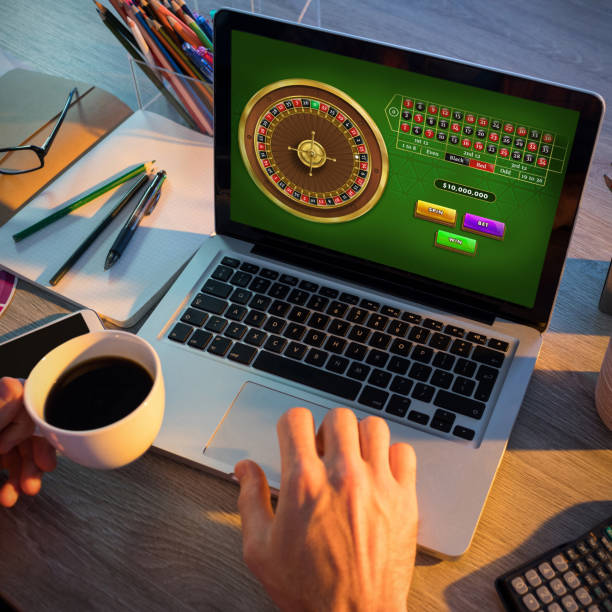
Moreover, the experience of gambling can stimulate the brain’s reward system, releasing dopamine—often referred to as the “feel-good” neurotransmitter. When players win, even if it is just a small amount, this chemical response reinforces the behavior, encouraging them to gamble again. Unfortunately, this cycle can lead to a false sense of security where individuals believe they are more skilled than they truly are, further entrenching their gambling habits.
Additionally, the social aspect of gambling can amplify its psychological effects. For many, gambling is a communal experience, often shared with friends or family. This socialization can create a sense of belonging, further motivating individuals to participate. However, it may also lead to peer pressure, compelling individuals to gamble more than they might otherwise, driven by the need for social acceptance and enjoyment.
The role of cognitive biases in gambling behavior
Cognitive biases play a significant role in the psychology of gambling, influencing how individuals perceive risk and reward. One common bias is the “gambler’s fallacy,” where players mistakenly believe that past outcomes influence future results. For instance, if a roulette wheel has landed on red several times, a player may wrongly assume that black is “due” to hit next. This type of thinking can lead to increased betting and greater financial losses.
Another cognitive bias prevalent among gamblers is the illusion of control. Many players believe that they can influence the outcome of games of chance through skill or strategy. This overconfidence can drive them to engage in riskier betting behaviors, leading to larger losses. The myth that one can outsmart the system, even in games that are entirely random, fosters a dangerous cycle of continued play and escalating stakes.
Finally, confirmation bias can also impact gamblers’ decision-making processes. Once someone forms a belief about their luck or skill level, they are likely to seek information that confirms this belief while disregarding evidence to the contrary. This mental shortcut can reinforce gambling habits, as individuals become fixated on their perceived successes and ignore their overall losses, creating a distorted view of their gambling performance.
The emotional rollercoaster of winning and losing
The emotional highs and lows experienced during gambling contribute significantly to its psychological effects. Winning can evoke intense feelings of joy and exhilaration, often leading to the “chasing” mentality where players seek to replicate that success. This psychological phenomenon can create a cycle of addiction as individuals pursue the fleeting high associated with winning, often overlooking the losses incurred along the way.
Conversely, losing can trigger a wide range of emotions, including frustration, anger, and despair. Many individuals may respond to losses by increasing their gambling efforts in a misguided attempt to recover what they have lost. This phenomenon, known as “loss chasing,” can lead to compulsive behavior and further financial ruin. The struggle between the thrill of winning and the despair of losing makes gambling a profound emotional experience.
Furthermore, the emotional implications of gambling extend beyond the individual, affecting relationships with family and friends. Gamblers may become secretive, withdrawn, or defensive about their gambling habits, leading to conflicts and strained relationships. The emotional toll can create a ripple effect, impacting not only the gambler but also their loved ones who may feel the repercussions of financial instability and emotional distress.
The impact of gambling on mental health
The relationship between gambling and mental health is complex and multifaceted. Problem gambling is often linked to a range of mental health issues, including anxiety, depression, and substance abuse. Individuals who struggle with these conditions may turn to gambling as a form of escape, leading to a vicious cycle where mental health deteriorates further due to gambling losses and related stress.
Furthermore, the stigma surrounding gambling can prevent individuals from seeking help. Many people may feel ashamed or embarrassed about their gambling habits, leading them to suffer in silence. This isolation can exacerbate feelings of depression and anxiety, making it even more challenging to break free from the compulsive cycle of gambling.
In contrast, addressing mental health issues can significantly improve an individual’s relationship with gambling. Support groups, therapy, and counseling are vital in helping individuals regain control over their gambling behaviors and rebuild their lives. Understanding the psychological effects of gambling is essential for both prevention and treatment, emphasizing the need for awareness and support in addressing these issues.

Enhancing the gaming experience responsibly
In light of the psychological effects of gambling, platforms like H4Win seek to enhance the gaming experience responsibly. By offering exclusive promotional codes and bonuses, they aim to provide players with opportunities to enjoy gambling without the overwhelming burden of upfront costs. These incentives can allow players to explore gaming options while minimizing the risk of financial loss, fostering a more enjoyable experience.
Moreover, H4Win emphasizes responsible gaming practices, encouraging players to set limits on their playtime and spending. Understanding the psychological triggers that can lead to compulsive gambling is crucial, and the platform aims to educate users about the potential risks associated with excessive gambling. By promoting a responsible gaming culture, they hope to mitigate the adverse psychological effects that can arise from gambling.
Ultimately, enhancing the gaming experience while prioritizing player well-being is a fundamental goal of H4Win. By offering a user-friendly navigation system and maintaining an ongoing dialogue about responsible gaming, they provide players with tools to enjoy their gaming experience without succumbing to the darker aspects of gambling psychology. This commitment to player welfare underscores the importance of mental health and responsible gambling practices in today’s gaming landscape.